Web Analytics for Beginners
14th July, 2026 | Digii Ninja
Understanding your website’s performance is crucial to achieving success online. Web analytics provide valuable insights into how visitors interact with your site, helping you make informed decisions. For beginners, diving into metrics can seem overwhelming, but this guide will break down the basics to get you started.

What Are Web Analytics?
Web analytics involve collecting, reporting, and analyzing data from your website. This process helps you understand user behavior, track performance, and identify areas for improvement. By utilizing web analytics tools, you can gain insights into traffic sources, user demographics, and conversion rates.
Key metrics often include page views, bounce rate, time on site, and conversion goals. These metrics help you evaluate the effectiveness of your content and marketing strategies, ensuring that your efforts align with your business objectives.
Understanding Metrics
Page Views: This metric indicates the total number of pages viewed on your site. While it’s useful for understanding overall interest, it should be analyzed alongside other metrics to gauge true engagement.
Bounce Rate: A high bounce rate may signal that visitors aren’t finding what they’re looking for on your site. This metric represents the percentage of single-page visits where users leave without taking further action.
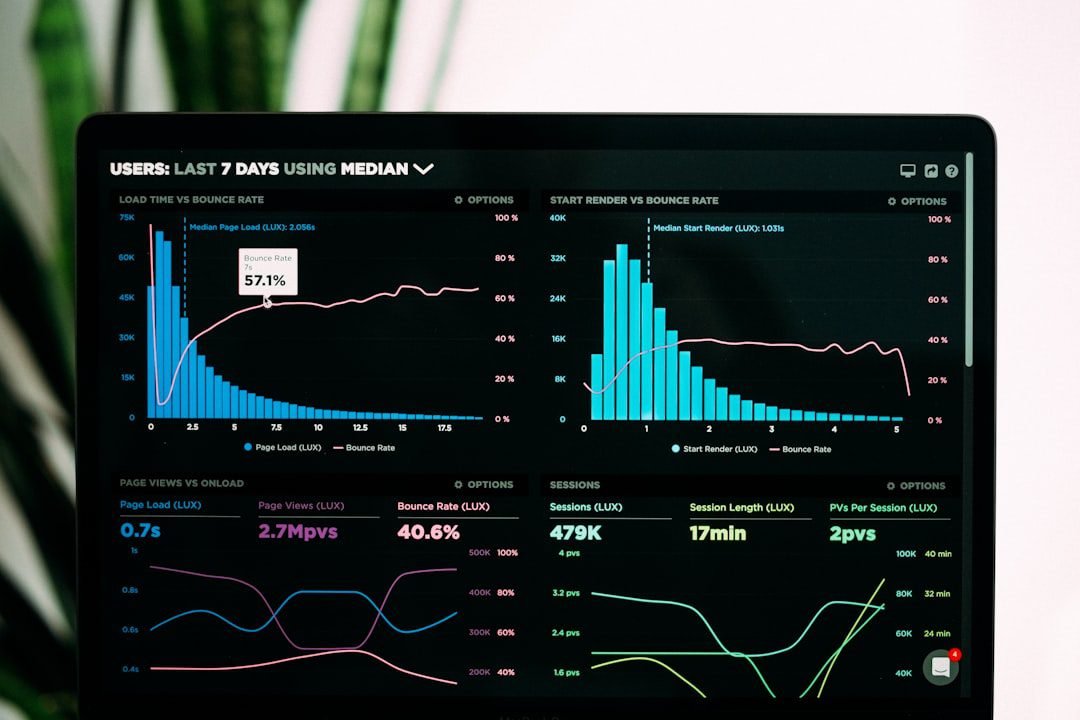
Time on Site: This metric measures how long visitors spend on your site. A longer duration typically suggests that users find your content valuable and engaging.
Setting Up Goals
One of the most powerful features of web analytics is goal setting. Goals allow you to track specific actions you want visitors to take, such as completing a purchase, signing up for a newsletter, or downloading a resource. By setting up goals, you can measure how well your website fulfills its objectives.
- Identify: Determine what actions are most valuable to your business.
- Configure: Set up these actions as goals within your analytics tool.
- Analyze: Regularly review goal completions to assess performance.
Using Analytics Tools
Several analytics tools are available to help you track and interpret your website data. Google Analytics is one of the most popular options due to its comprehensive features and ease of use. Other tools include Adobe Analytics and Matomo, each offering unique capabilities.
When choosing a tool, consider factors such as cost, usability, and the specific metrics you wish to track. Most tools offer tutorials and resources for beginners, making it easier to get started.
Improving Your Website with Analytics
Once you have a handle on the basics of web analytics, you can use this data to make improvements. For instance, if you notice a high bounce rate on certain pages, consider revising the content or improving the user experience. Similarly, low conversion rates may indicate a need for better calls-to-action or more compelling offers.
Consistent monitoring and analysis are key to leveraging web analytics effectively. By staying informed about your website’s performance, you can make strategic decisions that drive growth and enhance user satisfaction.
Conclusion
Web analytics is an essential tool for any business operating online. By understanding and utilizing key metrics, setting goals, and choosing the right tools, beginners can transform raw data into actionable insights. As you grow more comfortable with web analytics, you’ll be better equipped to optimize your website and achieve your digital marketing goals.
Need Help With Your Marketing
Get a free consultation and find out how we can grow your business.